
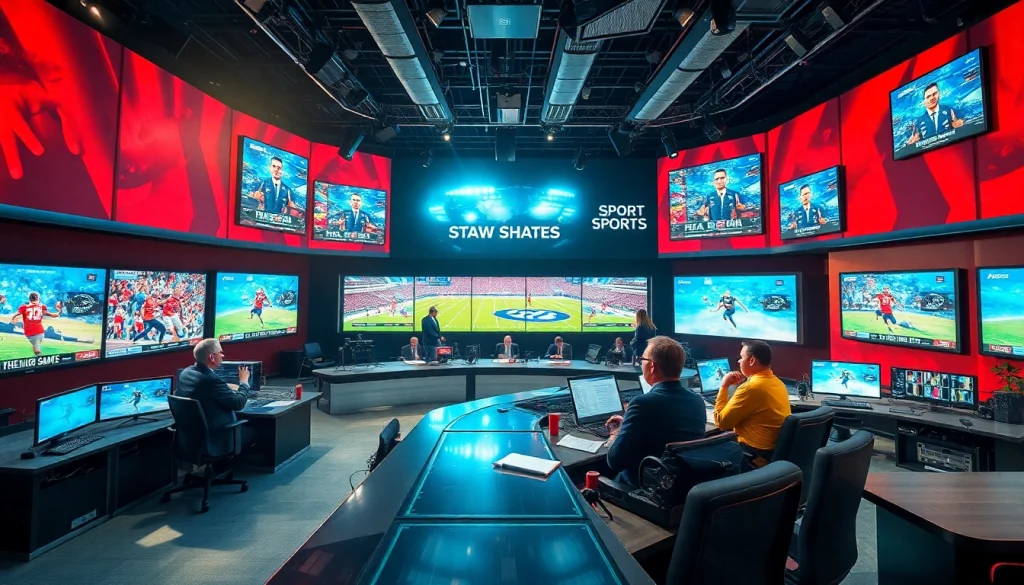
Introduction to Sports Broadcasting
What is Sports Broadcasting?
Sports broadcasting is the process of transmitting live or recorded sports events to an audience through various communication channels. This includes telecommunication services and digital platforms, designed to engage sports fans across the globe. By utilizing a combination of visuals, commentary, and analyses, sports broadcasting aims to enhance the viewing experience and inform audiences about the events unfolding.
Essentially, it merges entertainment with information, catering to sports enthusiasts who crave real-time updates and engaging commentary. While Sports Broadcasting can encompass various sports genres, it is particularly significant during high-profile events such as the Olympics, the FIFA World Cup, or the Super Bowl, where viewership reaches its peak.
History and Evolution of Sports Broadcasting
The roots of sports broadcasting can be traced back to the early 20th century when radio became a primary medium for transmission. The first-ever sporting event aired on radio was the 1921 boxing match between Jack Dempsey and Georges Carpentier, which paved the way for future broadcasts. As technology evolved, so did the format of sports broadcasting.
With the advent of television in the 1950s, visual broadcasts brought audiences closer to the sporting action. This decade marked a significant turn in how sports were consumed, with events being televised live, capturing the atmosphere of stadiums and allowing fans to experience games as if they were physically present. The evolution continued with the introduction of satellite broadcasting in the 1980s, which expanded the reach of sports networks worldwide.
The digital age further transformed the landscape. Today, sports events are streamed online globally, allowing audiences to watch games on their devices anytime, anywhere. Social media has also become a key player in sports broadcasting, enabling real-time interactions and updates, thus enriching the viewer experience.
Importance of Sports Broadcasting in Today’s Media Landscape
In contemporary society, sports broadcasting serves multiple purposes. Firstly, it enables fans who cannot attended events in person to experience competitive sports through live broadcasts, thereby fostering engagement with their favorite teams. This is crucial, especially for sports like football, basketball, and cricket that hold massive global followings.
Furthermore, sports broadcasting plays a vital role in marketing and sponsorship opportunities. Brands leverage the reach of sports programming to connect with potential customers, contributing to substantial advertising revenues, which fuel the sports industry. Lastly, in promoting social and cultural values, sports broadcasting has the power to unify diverse groups under common interests, thus serving as a significant cultural phenomenon.
Techniques in Sports Broadcasting
Key Equipment and Technologies Used
The technology utilized in sports broadcasting is extensive and continues to advance rapidly. At the heart of professional broadcasts are the cameras—preferably high-definition (HD) or 4K cameras capable of capturing fast-paced action with exceptional clarity. Innovations like drone cameras offer aerial views that enhance storytelling during broadcasts.
Audio equipment plays an equally crucial role; high-quality microphones, audio mixers, and soundboards become essential for ensuring crisp commentary and clear sound quality. Graphics and data integration technologies provide viewers with statistical overlays, player interviews, and instant replays, enriching the live experience considerably.
Moreover, using streaming platforms requires robust encoding systems and reliable internet connections to ensure smooth broadcasts without buffering. Technologies such as Artificial Intelligence (AI) are also being incorporated to predict play outcomes, offering insights to commentators and analysts.
Effective Communication Strategies for Broadcasters
Successful sports broadcasting hinges on effective communication. Broadcasters must possess a deep understanding of the sport they cover, enabling them to provide informed analysis and commentary. This requires thorough preparation, including studying players, team strategies, and historical data.
Moreover, engaging storytelling is essential. Broadcasters should weave narratives about players, teams, and competitions, connecting emotionally with the audience. The use of humor, insights, and occasional personal anecdotes can make commentary relatable and captivating.
Lastly, maintaining a steady pace while being attentive to the game flow ensures clear communication. The use of tone variation helps emphasize key moments, keeping viewers engaged while facilitating a seamless viewing experience.
Live vs. Recorded Sports Broadcasting: Pros and Cons
Each form of sports broadcasting presents unique advantages and challenges. Live broadcasting offers immediacy—viewers experience events as they unfold, fostering excitement and engagement. It allows for real-time audience interaction via social media and diverse platforms, creating a sense of community among viewers.
However, live broadcasts come with the risk of technical difficulties, unexpected interruptions, and the pressure to deliver immediate commentary, which can be challenging for broadcasters. Recorded broadcasts, on the other hand, allow for post-editing enhancements—commentary can be refined, graphics improved, and errors can be stitched up—resulting in polished end products that can reach a wider audience through on-demand viewing.
Despite this, recorded broadcasts miss the explosive energy of live audiences and instill a sense of urgency. The choice between live and recorded ultimately depends on context and intended viewer experience.
Challenges in Sports Broadcasting
Addressing Technical Difficulties
Technical difficulties can be one of the most challenging aspects of sports broadcasting. Issues such as equipment failure, poor internet connections, or transmission errors can disrupt live events, hindering viewer experiences. Broadcasters must develop contingency plans to mitigate these risks, including backup equipment and alternate broadcast paths.
Regular training for broadcast teams on troubleshooting technology and understanding equipment best practices is essential. Moreover, incorporating a delay in live broadcasts could allow time to address minor technical issues without adversely affecting the viewer experience.
Handling Live Situations and Unexpected Events
Unexpected events, such as player injuries or controversial situations, can catch broadcasters off guard. Handling such events requires poise and professionalism. Broadcasters should be well-versed in crisis management, allowing them to maintain composure while providing insightful commentary. Preparation plays an instrumental role here; having a repository of information and strategy on various scenarios allows broadcasters to respond effectively amid unpredictability.
Furthermore, audience sensitivity is crucial; understanding how to balance honesty and professionalism can help maintain a respectful tone during difficult narratives.
Audience Engagement and Retention Strategies
In a saturated media space, audience retention becomes paramount for sports broadcasters. Engaging content is vital; this can include interactive polls during broadcasts, fan questions, and social media interactions to foster community discussions. Those interactions not only increase viewer engagement but also provide broadcasters with valuable audience insights.
Storytelling elements also play a role—viewers want to connect with players and narratives surrounding events. Additionally, creating highlight reels, trailers, and team updates enhance the viewing experience, catering to different audience preferences. Implementing these strategies can cultivate loyalty, ensuring audiences return for future broadcasts.
Future Trends in Sports Broadcasting
Impact of Streaming Platforms on Traditional Broadcasting
The rise of streaming platforms has dramatically reshaped the sports broadcasting industry. Traditional broadcasters are facing increasing competition from internet-based services that offer on-demand access to sports content. These platforms provide flexibility; users can watch their favorite sports at their convenience without the constraints of traditional scheduling.
Moreover, streaming services often offer enhanced features such as multi-device support, personalized viewing options, and interactive functionalities, leading to a more tailored viewer experience. As more viewers migrate towards these platforms, traditional broadcasters are compelled to adapt, often incorporating streaming options alongside their broadcasts to remain competitive.
Data Analytics in Sports Broadcasting
Data analytics is transforming sports broadcasting, providing actionable insights that enhance storytelling and viewer engagement. Broadcasters can analyze player performances, team statistics, and game strategies to deliver informed commentary. Using analytics, they can predict outcomes, offering viewers a deeper understanding of the competitive landscape.
Furthermore, fan engagement can be improved through personalized content based on viewer preferences. Analytics help broadcasters understand audience behaviors, allowing them to tailor programming that resonates. This data-driven approach not only enhances the viewing experience but also amplifies audience retention and satisfaction.
Innovative Viewing Experiences: AR and VR
Augmented Reality (AR) and Virtual Reality (VR) are at the forefront of transforming viewer experiences in sports broadcasting. AR can enhance broadcasts by overlaying graphics and statistics onto the live feed, providing viewers with dynamic information without detracting from the action unfolding on-screen.
Conversely, VR allows fans to immerse themselves in the action as if they’re in the stadium. Virtual experiences can simulate being part of the action, enabling viewers to feel as if they are in the front row, regardless of their physical location. As technology evolves, the incorporation of AR and VR will likely redefine not just how viewers consume sports but also how broadcasters engage with their audiences.
Frequently Asked Questions
What is the role of a sports broadcaster?
A sports broadcaster provides commentary, analysis, and coverage of sporting events, engaging viewers and enhancing their experience.
How can I start a career in sports broadcasting?
Begin by pursuing degrees in communication or journalism, gaining internship experience, and building a personal broadcasting portfolio.
What technology is essential for sports broadcasting?
Key technologies include video cameras, audio equipment, streaming software, and graphics systems for live coverage and broadcasting.
What are the main challenges of live sports broadcasting?
Addressing technical issues, managing audience expectations, and maintaining engaging commentary during unexpected events are critical challenges.
How is sports broadcasting changing with technology?
Advancements in streaming, analytics, and immersive technologies like AR and VR are transforming sports broadcasting, reshaping viewer engagement.